|
 |
 |
|
|
Mayan Culture
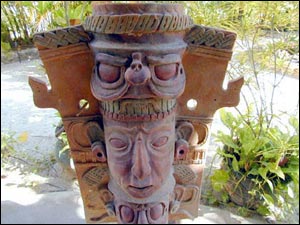
Mayas
The mystical
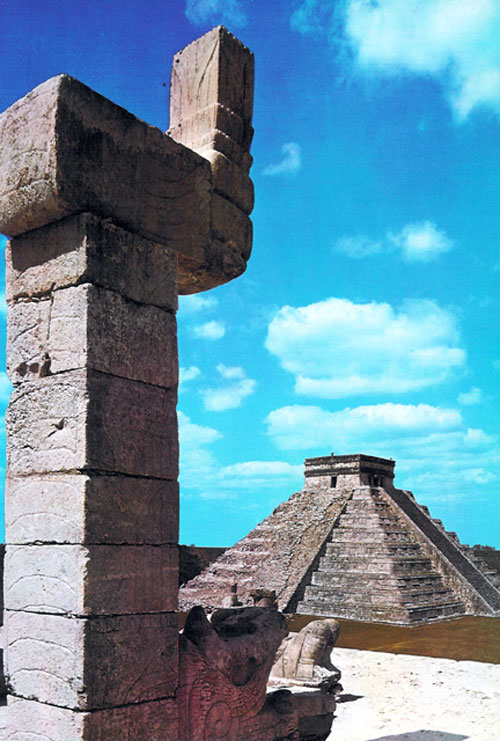
ancient Mayas settled the Yucatan, where Cancun is located, some
thousands of years ago. They inhabited the region until about 60 years
before the arrival of the Spanish Conquistadors in Mexico. During their
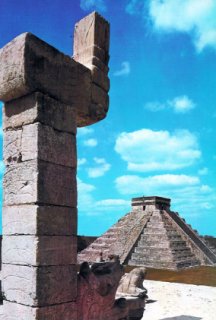
magnificent reign of the Yucatan, they built the beautiful and famous
buildings of Chichen Itzá: the Snail, the Castle, the Warriors Temple,
the Ball Game, the Tzompantli, the Eagles House, the Osario, the Temple
of the Chac Mool and more.
Chichen Itza
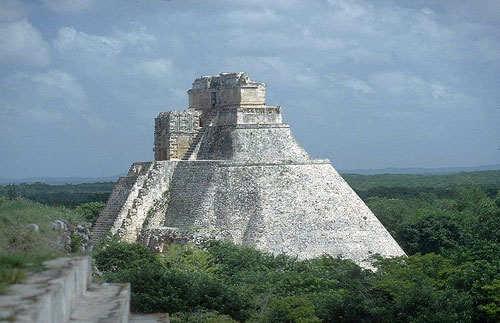
Uxmal
|
|
 |
 |
 |
|
|
|
|
|
|
|
|
I took
a heavenly ride through our silence
I knew
the moment had arrived
I knew
the waiting had begun
And
headed straight... into the
shinning sun.
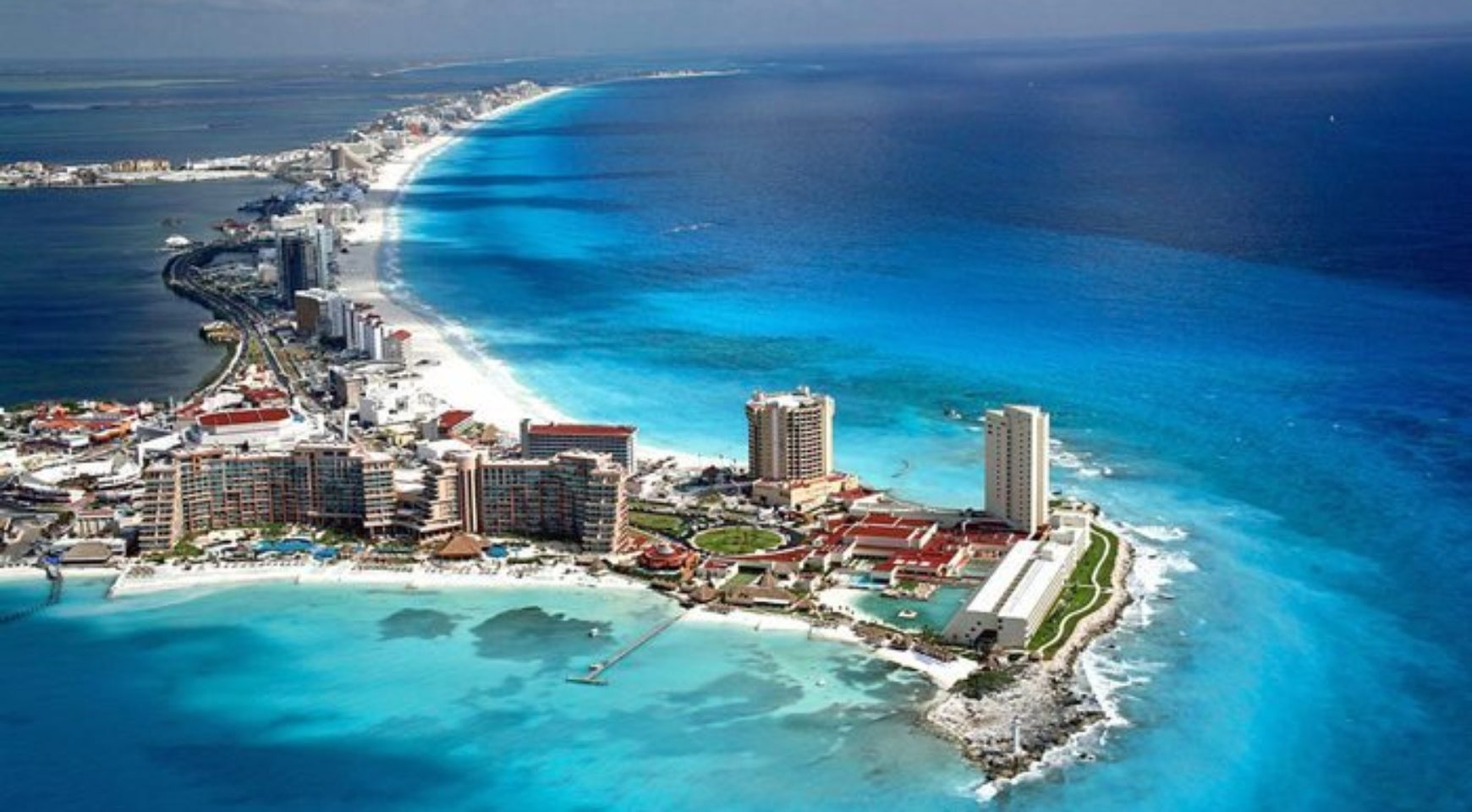
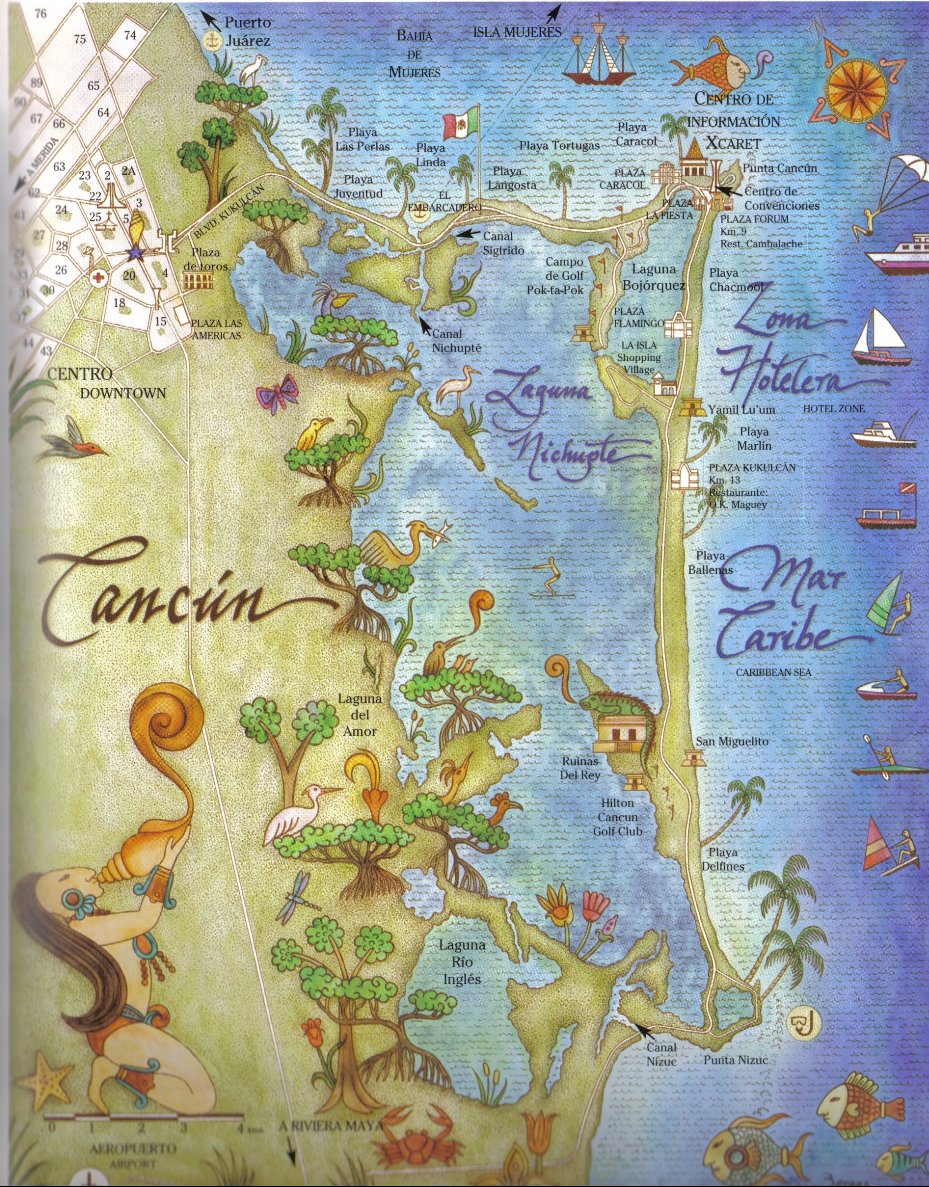
We are
located at the
Sunset Marina Resort & Yacht Club
Ave. Kukulkan Km. 5.8 Zona Hotelera, 77514
Cancún, Quintana Roo,
Mexico

View Larger Map

|
|
|
|
|
|
|
|
|
Fishing tours Cancun | Shared Fishing - fishing Charters in Cancun.
Kianah's Sport fishing Cancun Mexico.
http://www.deepseafishingcancun.com
Main website for
Kianah’s Sportfishing Cancun.
|
|
|
|
|
|
|
From
Puerto Aventuras to Isla Mujeres, from Cozumel to Cancun, the Yucatan
Peninsula of Mexico has established itself as one of sport fishing's top
vacation playgrounds, thanks to its wealth of luxurious hotels, numerous
restaurants, fantastic night life and world-class sport-fishing
opportunities. Each spring, sailfish and more sailfish migrate north
through the famed Yucatan Channel to the bottom end of the Campeche
Bank. If you crave light-tackle billfish action with plenty of chances,
you need look no farther than the endless warmth of Mexico
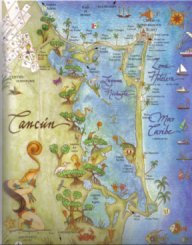
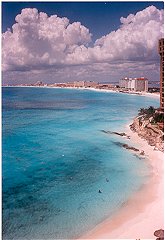
Cancun
 |
|
|
|
|
|
|
|